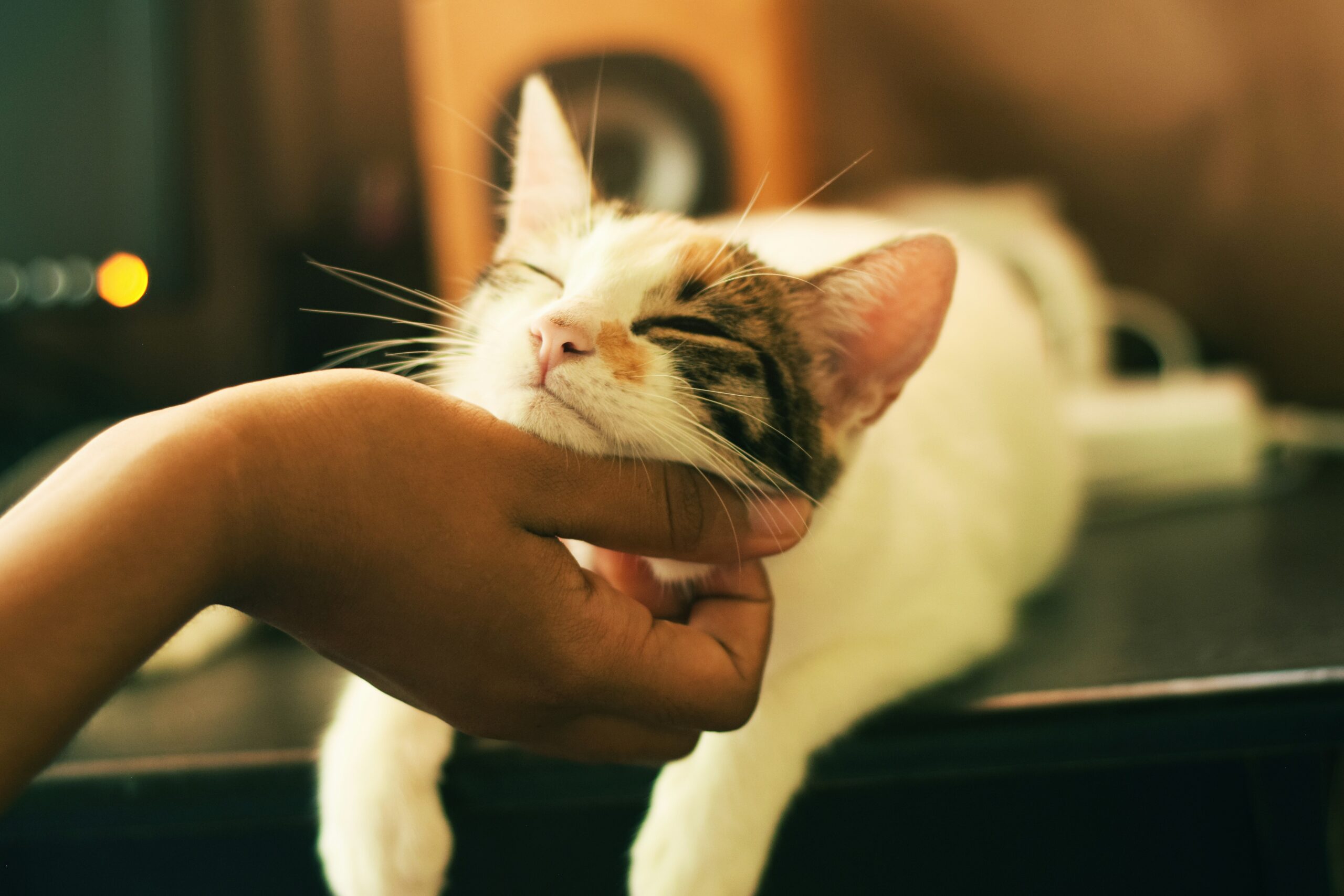
Cats are often thought of as independent animals who prefer their alone time and operate on their own schedule. While there’s some truth to that, one of the most fascinating things about cats is their unique personalities. Some may only tolerate a couple of pets before walking away, while others seek out constant affection and love to cuddle. Many cats form deep, meaningful bonds with their people and thrive on routine, interaction, and a sense of security.
Recent studies show that cats, like dogs and even humans, can experience separation anxiety, especially in households where they are the only pet. The key difference is that separation anxiety in cats doesn’t always look the same as it does in dogs. Cats tend to be more subtle and can do a surprisingly good job of hiding their stress, even when something is wrong.
Routine, attachment, and environment all play a major role in a cat’s emotional well-being. Cats are creatures of habit, and having a consistent daily routine helps lower their stress and anxiety levels. When that routine is disrupted or when they’re left alone for long periods without enough stimulation, it can impact how safe and secure they feel.
Common Signs of Separation Anxiety in Cats
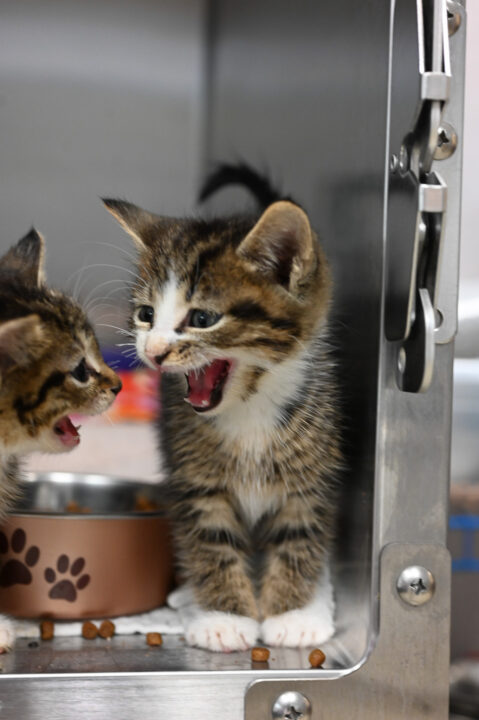
While indoor cats are often cute, fluffy companions that act silly, they still carry instincts from their ancestors. In the wild, cats learned to hide signs of discomfort or pain, since showing weakness could make them vulnerable to predators. Because of this, many cats today still mask their stress, even in the safety of our homes.
That’s why it’s so important as an owner to learn how to decipher these subtle signs. It can be easy to label certain behaviors as a “bad cat” or a “misbehaved cat,” but it’s important to refrain from those labels. More often than not, these behaviors are your cat’s way of trying to communicate that something isn’t right; they’re telling us there’s a problem, just not in a way we always immediately understand. Below are some common signs of separation anxiety:
- Excessive Meowing or Vocalization – Some cats become more vocal when they’re anxious, especially when you’re leaving or returning home. This may sound like persistent meowing or yowling and can be a sign they’re struggling with being alone.
- Destructive Behavior – Scratching furniture, knocking things over, or damaging household items can be a stress response rather than bad behavior. These actions are often your cat’s way of coping with anxiety or releasing built-up energy.
- Changes in Appetite – Anxiety can impact your cat’s eating habits, causing them to eat significantly less or, in some cases, overeat. A noticeable shift in appetite without another clear cause may be linked to stress.
- Litter Box Issues – Urination or defecation outside the litter box is a common sign of anxiety in cats. This behavior is often misunderstood but can be your cat’s way of signaling discomfort or distress.
- Clinginess When You’re Home – Some anxious cats become overly attached, following you from room to room or constantly seeking attention. They may have difficulty relaxing on their own and rely heavily on your presence for comfort.
It is important to understand that while these may be some common signs, they are not exclusive to separation anxiety. If you notice any of these behaviors, it’s important to consult with your vet to rule out any underlying illness or sickness before labeling them as signs of separation anxiety, as these can also be indicators of other issues your cat may be trying to communicate to you.
What Causes Separation Anxiety in Cats?
While each cat and their behaviors are different, most cats share a need for consistency, stimulation, and a sense of security in their environment. When one or more of these factors are disrupted, it can lead to stress that may develop into separation anxiety. Because cats rely so heavily on routine and familiarity, even small changes can have a bigger impact than many owners realize.
Some of the most common causes of separation anxiety in cats include:
- Changes in routine – such as a new work schedule, longer hours away from home, or frequent travel.
- Moving homes or environmental changes – new spaces, new smells, or even rearranged furniture.
- Loss of a companion – whether it’s a human family member or another pet in the home.
- Lack of stimulation or enrichment – boredom from an understimulating environment, especially if they’re the only pet in the household.
In many cases, it’s not just one factor but a combination of changes that can trigger anxiety. Understanding what may have shifted in your cat’s environment or daily life is a key step in helping them feel more secure and supported.
How to Help a Cat with Separation Anxiety
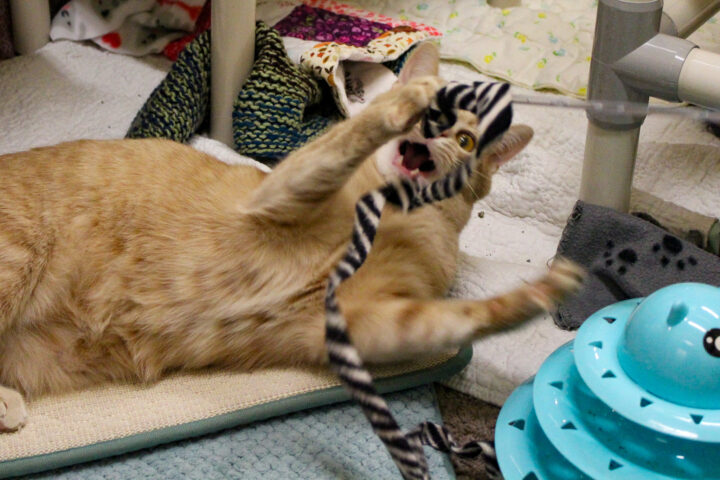
The good news is that separation anxiety in cats can often be improved with small, intentional changes to their daily routine and environment.
By focusing on consistency, stimulation, and comfort, you can help your cat feel more secure, even when you’re not home.
The goal is to create an environment where your cat feels safe, engaged, and mentally fulfilled throughout the day.
Some simple ways to help reduce separation anxiety include:
- Create a predictable routine – Feeding, playtime, and daily interactions should happen around the same time each day. This consistency helps your cat know what to expect and can significantly lower stress levels.
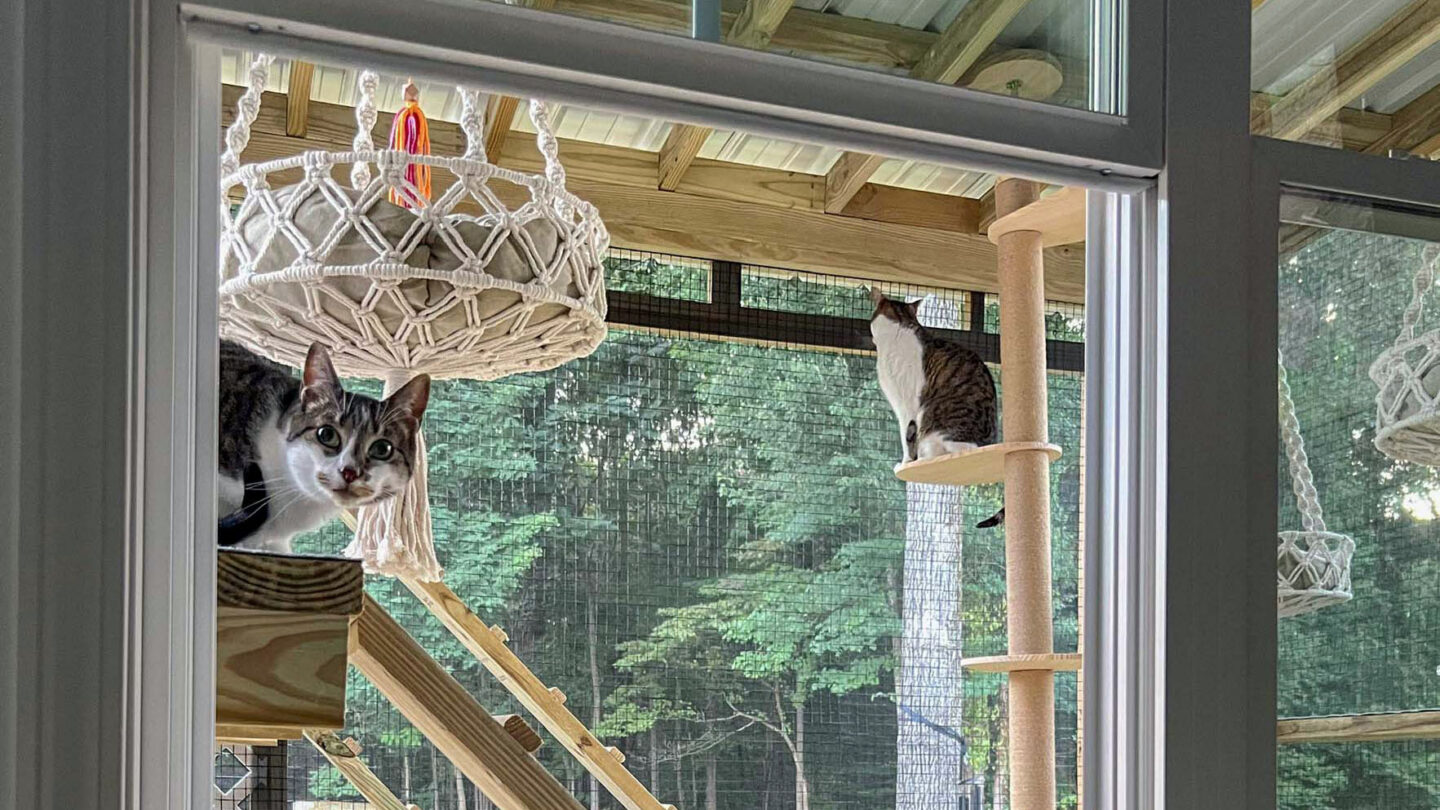
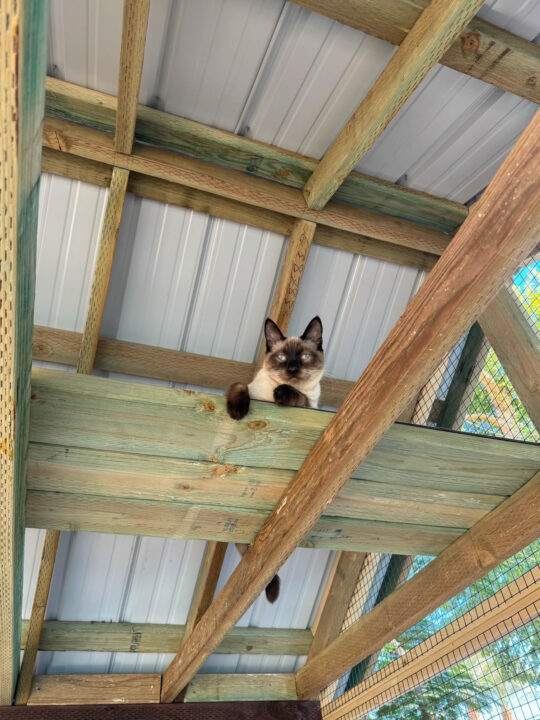
- Increase daily enrichment – Providing toys, climbing structures, scratching posts, and window views can keep your cat mentally stimulated. Safe outdoor enrichment, like a catio, can be especially beneficial, giving your cat access to fresh air, sights, and sounds without the risks of roaming freely.
- Make time for interactive play – Engaging your cat in active play before you leave the house helps burn off energy and can leave them feeling more relaxed afterward. Toys that mimic prey, like feather wands or laser pointers, are great for building confidence and reducing stress.
- Provide safe, engaging spaces – Create areas in your home where your cat feels comfortable spending time alone. This could include cozy resting spots near windows, elevated perches, or spaces where they can observe their surroundings and stay mentally engaged.
Even small adjustments can make a meaningful difference over time. By meeting your cat’s physical and emotional needs, you’re helping them build confidence and independence, so being alone doesn’t feel stressful, but simply part of their normal routine.
When to Talk to a Veterinarian
If your cat’s behavior is severe, sudden, or continues to worsen over time, it’s important to consult with a veterinarian. While some signs may point to separation anxiety, many of these same behaviors—like changes in appetite, litter box issues, or increased vocalization—can also be linked to underlying health conditions.
A veterinarian can help rule out any medical concerns and provide guidance on the best next steps. In some cases, what appears to be anxiety may actually be your cat’s way of signaling discomfort, pain, or illness. Getting a professional opinion ensures your cat receives the proper care and support they need, both physically and emotionally.
Supporting Your Cat’s Emotional Well-Being
Separation anxiety can look different in every cat, just like each cat has their own unique personality. It’s very important as an owner to be able to recognize what is normal behavior for your cat and what may be different. Some may become more vocal, while others may withdraw or act out in different ways. The key is understanding that these behaviors are not “bad,” they are your cat’s way of trying to tell you something isn’t right.
However, when you notice changes in your cat’s behavior, it’s important to seek guidance from a veterinarian before assuming it is separation anxiety. Once your cat’s health is confirmed, you can focus on improving their environment, routine, and daily enrichment. Supporting your cat’s emotional well-being is just as important as caring for their physical health, and with the right approach, separation anxiety is something that can be managed with patience, understanding, and consistency.