Are you looking for a new companion for your resident dog? You want them to be best buds, but dog introductions are typically not love at first sight; they need time to build relationships. The key to a successful long-term relationship is to proceed slowly.
Introducing the dogs
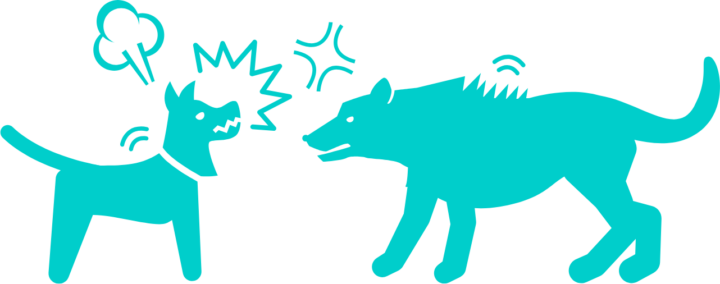 Begin introductions on neutral territory outside your home and yard. Take the dogs on a parallel walk so they can calmly observe one another. If all goes well, allow a brief 2–3 second sniff, then call them apart and reward with a treat. If things continue positively, move to a fenced yard and let them explore with their leashes dragging.
Inside the house. When the two dogs are inside your house together for the first time, keep both on a leash and keep the introduction brief. Make sure all toys, chews, food bowls, and your dog’s favorite items are put away to prevent guarding behavior. You can gradually reintroduce them over time.
Provide each dog with private space. Allow your resident dog to go about his business as usual. The new dog should be given a safe area so he feels comfortable and can acclimate well to all the changes.
Here are some initial guidelines to follow:
- Keep all dog play and socializing positive and brief. Feed dogs in separate areas.
- Spend time with each dog individually.
- Keep the dogs separate when you can’t supervise them.
- Praise the dogs for good social interactions.
- Take walks together so they start to enjoy each other’s company
What to avoid
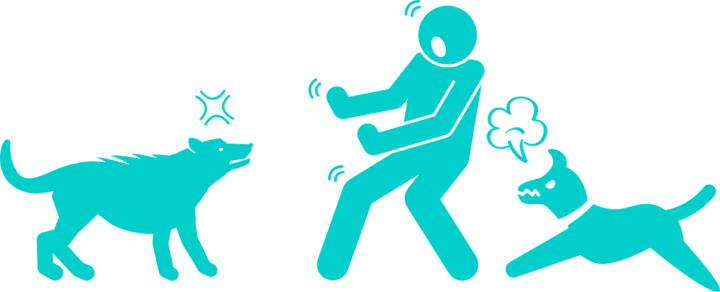 Don’t give them high-value treats, like chews or bones, together. Give them each a treat while they are tethered to something or crated separately. After several weeks of observation, the dogs can chew their bones together but always with supervision.
- Do not permit one dog to push another dog out of the way during petting. Stand up and walk away, letting the dog know that you will not tolerate this.
- Don’t let them push each other to get out of a door. This is a common area where dog fights start. Instead, teach dogs to wait at thresholds and walk calmly through.
- Avoid feeding them in proximity of each other until you are comfortable knowing that neither dog guards their food or disturbs the other.
Breaking Up a Dog Fight
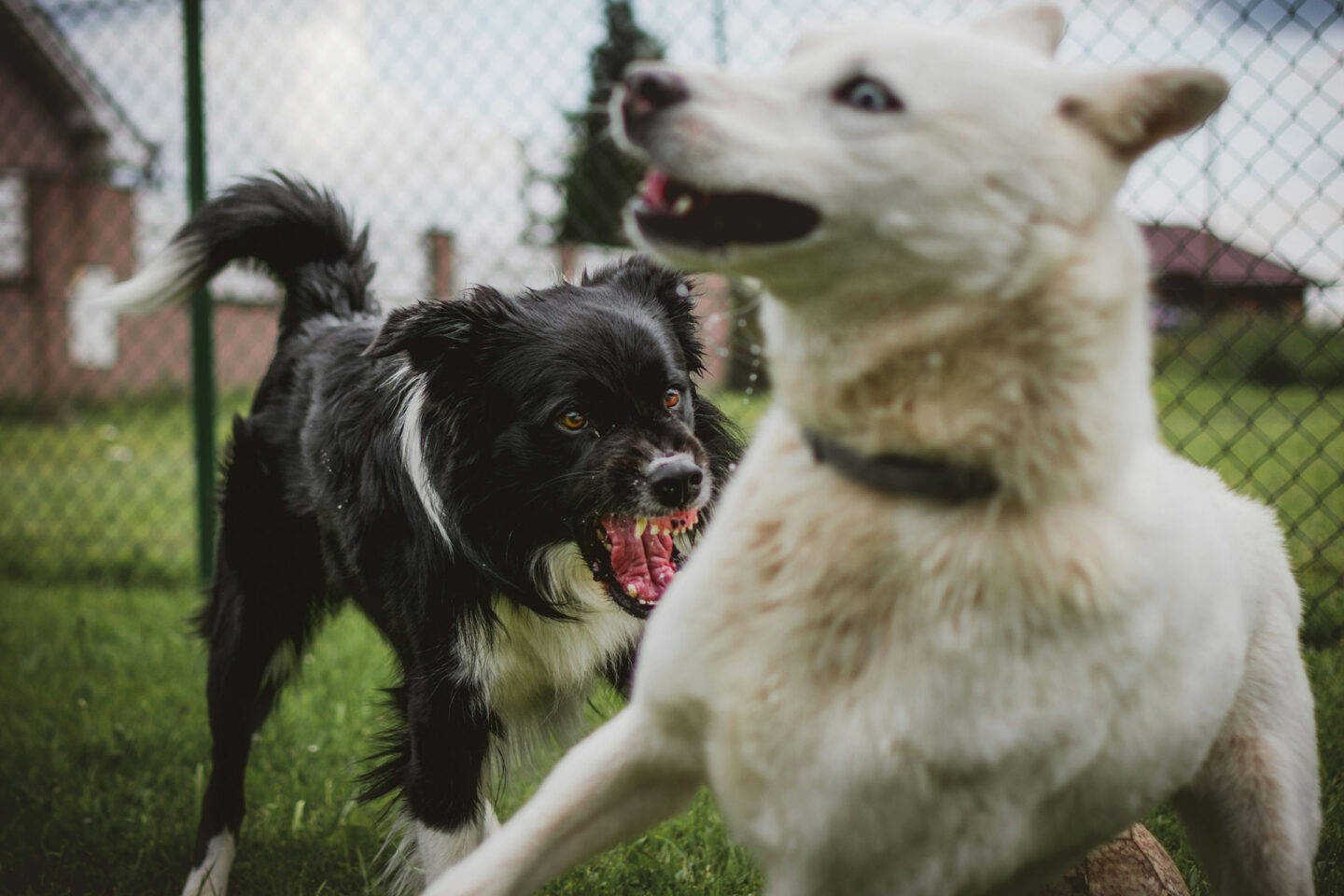
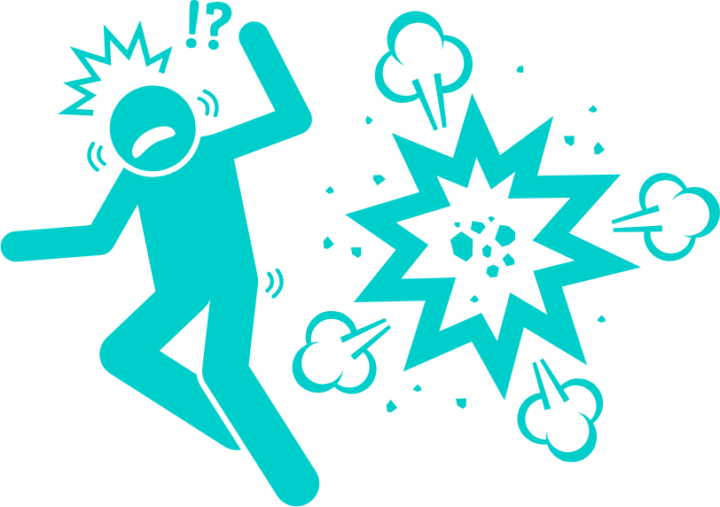 Even when you’ve done everything correctly, a fight can still break out. The most important rule: never use your hands or body to intervene. Stepping into the middle of a fight puts you at serious risk of being bitten.
- If you feel the relationship is questionable, keep leashes on the dogs so you can pull them apart.
- Scream or make a loud noise using a whistle or air horn. You can also bang a chair on the floor nearby to startle them.
- If this doesn’t work, pull the back legs of the dogs to tip them off balance. This is also known as the wheelbarrow technique.
- If water is available, dump water on them. If you have a hose, spray it in the middle of the fight.
- Throw a towel or blanket over the aggressor to disorient or distract them.
- Spray something unpleasant towards the dogs’ noses (canned air, citronella, bitter apple, Pet Corrector, carbonated beverage, etc.). You may need to do this several times.
- Take a baby gate, barrier, or piece of furniture and bring it down between the two dogs. Continue to bring it up and down until the aggressor lets go. Once the aggressor lets go, immediately slide the object and your body between the dogs and use the object as a shield to pin the aggressor against a wall or through a doorway.
Anytime you try to break up a dog fight, there’s a risk of being bitten. Use caution and be careful. Any reintroductions may require muzzle training, along with the help of a certified professional in the field.