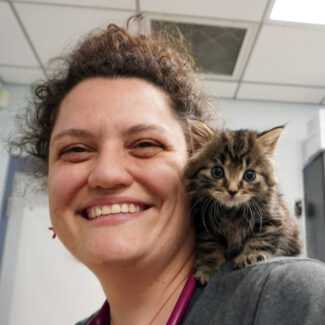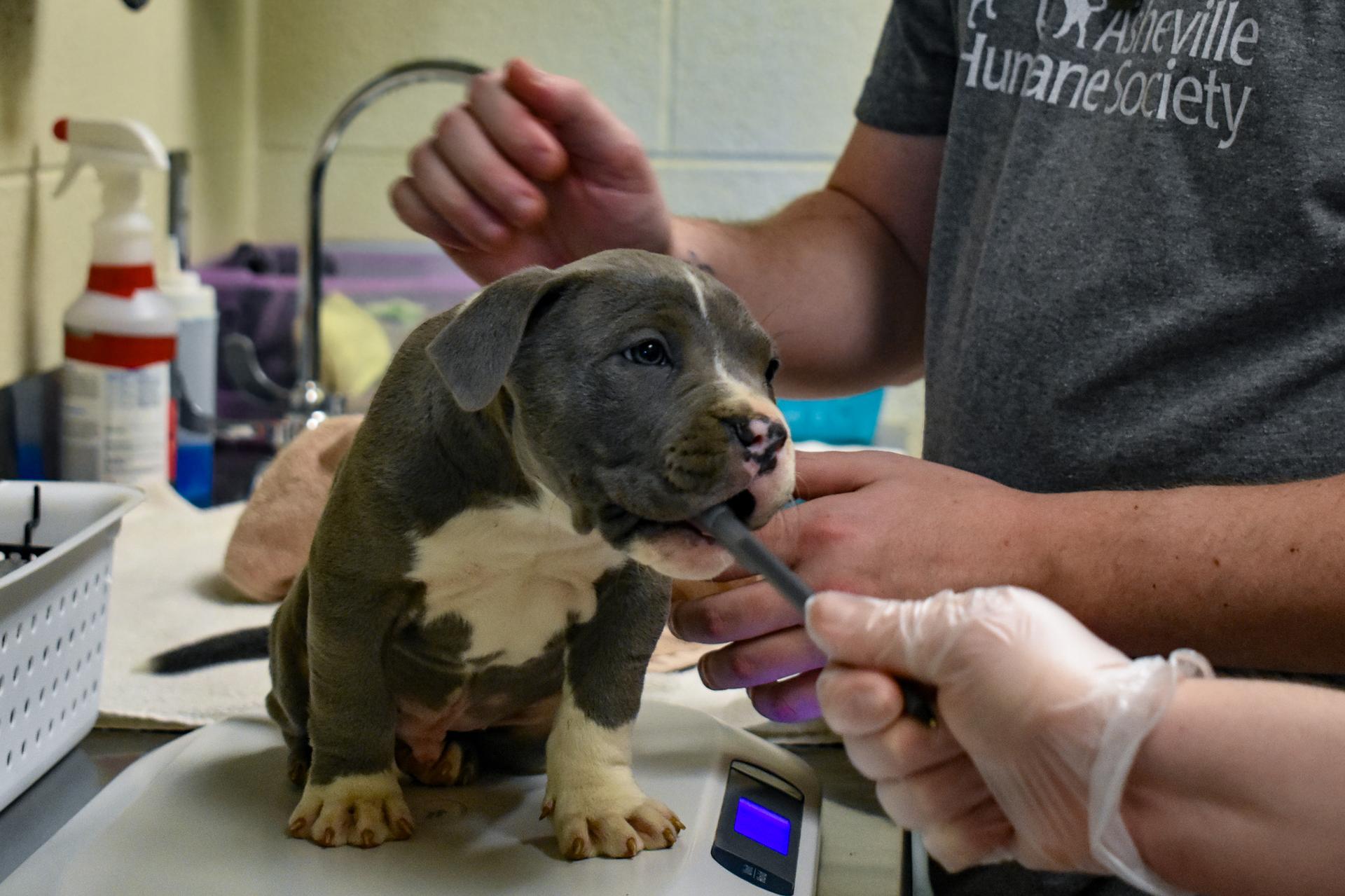

When you picture an animal shelter, what do you think of? Likely, you’re picturing what most of us do: a building full of kennels where animals are waiting to be adopted. While that’s definitely part of the story, many animals spend part of their journey somewhere else entirely: in a foster home. Foster families are a vital part of how Asheville Humane Society provides the best possible care for animals who come into our shelter.
In fact, each year more than a quarter of the animals we care for spend time in foster homes.
Foster homes provide temporary space where animals can grow, heal, and decompress while continuing to receive care and support from our staff. Some animals stay in foster for just a week, while others may stay for several months, but in every case they benefit from the stability and comfort of a home environment.
How a foster helped Arrow thrive

Arrow is a great example of how foster care can change an animal’s experience in the shelter. When Arrow first arrived at Asheville Humane Society as a stray, he was extremely overwhelmed by the shelter environment. Let’s be honest: who wouldn’t be? The unfamiliar sounds, smells, and constant activity were a lot for him. Our incredible Behavior team jumped right in to help him build confidence, but like many sensitive dogs, Arrow was still struggling with the busy shelter environment. Around that time, he became sick with an upper respiratory infection, a common illness in shelters, especially for animals experiencing higher stress.
Animals with illnesses need to stay in isolation to prevent disease from spreading to others in our care. While this protects the rest of the population, it can be especially hard for an already stressed dog to only have very limited interaction with people in protective gowns. For Arrow, our behavior team knew that could cause him to lose the progress he had made.
 That’s where his foster Camille stepped in. In Camille’s home, Arrow was able to relax and settle into a routine. He quickly became playful and affectionate, and once he was feeling better he even enjoyed spending time with Camille’s friends’ dogs. The quiet space allowed him to decompress and continue building confidence with people. Camille was also able to share helpful information about how Arrow behaved in a home, which helped our team find the right match. Not long after, Arrow found his adopter.
Stories like Arrow’s happen every week because members of our community open their homes to foster animals who need a little extra help. Sometimes that means supporting a nervous dog, caring for a litter of kittens until they are old enough for adoption, or giving a recovering animal a quiet place to heal.
Why shelters use foster homes
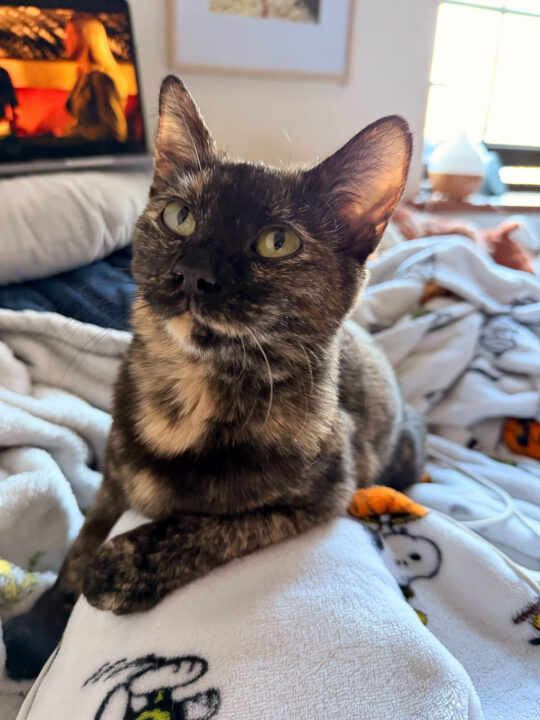
At Asheville Humane Society, we most often rely on foster homes for animals who aren’t quite ready for adoption yet, helping ensure they get the time, space, and individualized attention they need. We also sometimes place animals in foster homes simply to give them a break from the shelter environment. For animals who have been with us for a while, spending time in a home getting a break can provide important stress relief! Studies show that even a short time out in foster helps reduce stress hormones in dogs.
Many animals that come to us need extra time to heal before they are ready to go home. A foster environment allows them to rest more comfortably and often receive more individualized attention than staff in a busy shelter setting can provide. Stress also plays a significant role in immunity, so reducing stress by moving into a home can help animals recover more quickly from many illnesses.
Foster care also allows us to help more animals in our community. During our busiest seasons, we often have more animals in foster homes than we do in our kennels! Every foster home not only helps the animal they’re fostering, but also helps create space for another animal in need.
Who can foster?
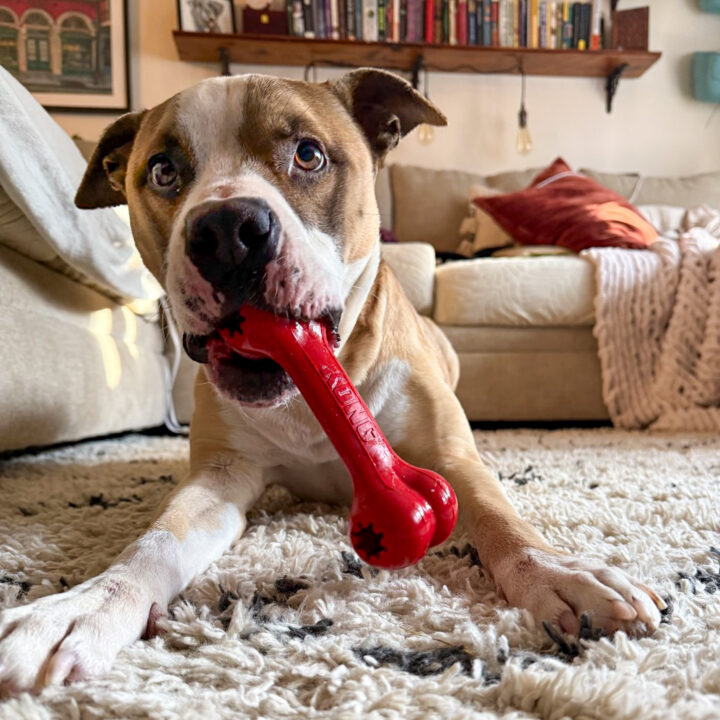
Many people assume fostering requires special experience or a perfect home environment. In reality, foster families come from all kinds of backgrounds. Some of our fosters work from home, while others work full-time jobs. Many have kids, roommates, or other pets. Some live in houses, others in apartments. What matters most is simply having the willingness to open your home and care for an animal temporarily.
Foster stays can vary widely depending on the needs of the animal. Some animals only need a short break from the shelter for a week, while others may stay longer while they recover or grow big enough for adoption. The level of care also varies. Neonatal kittens may need to eat every few hours, while an adult cat might be perfectly content relaxing at home while their foster parent is at work. Even fostering for a short time can make a meaningful difference for an animal who needs a quieter place to rest and decompress.
One of the most common things we hear from people is that they don’t feel qualified to foster or might not do a good enough job, but the truth is you don’t have to be an expert. Many of our most experienced foster caregivers (and even some of our staff) started with no experience at all. Our team is always happy to teach and support you along the way. We provide all the supplies, medical care, training, and guidance throughout the foster experience, and we’re always available to answer questions and help problem solve.
We also work hard to match foster animals with homes that fit both the animal’s needs and the foster family’s comfort level. And if something truly isn’t working, we understand. Our goal is always to find the best possible outcome for both the animal and the foster family. Even when plans change, the time an animal spends in a foster home helps us learn more about their personality and needs, which ultimately helps them find the right adopter.
Interested in fostering?
To get started:
- Submit a foster application through our website (you must be over 18, have your own reliable transportation, and live in Buncombe or one of the surrounding counties – but if you are further away, google fostering for a shelter near you!)
- Take our online orientation (it’s only 17 minutes with a 3 question quiz!)
- Our team will work with you to find the right fit for your home!
If you’re still not sure and want to learn more, we’re hosting a Foster Open House on Friday March 13th 2026 – we’d love to meet you and show you how you can help!