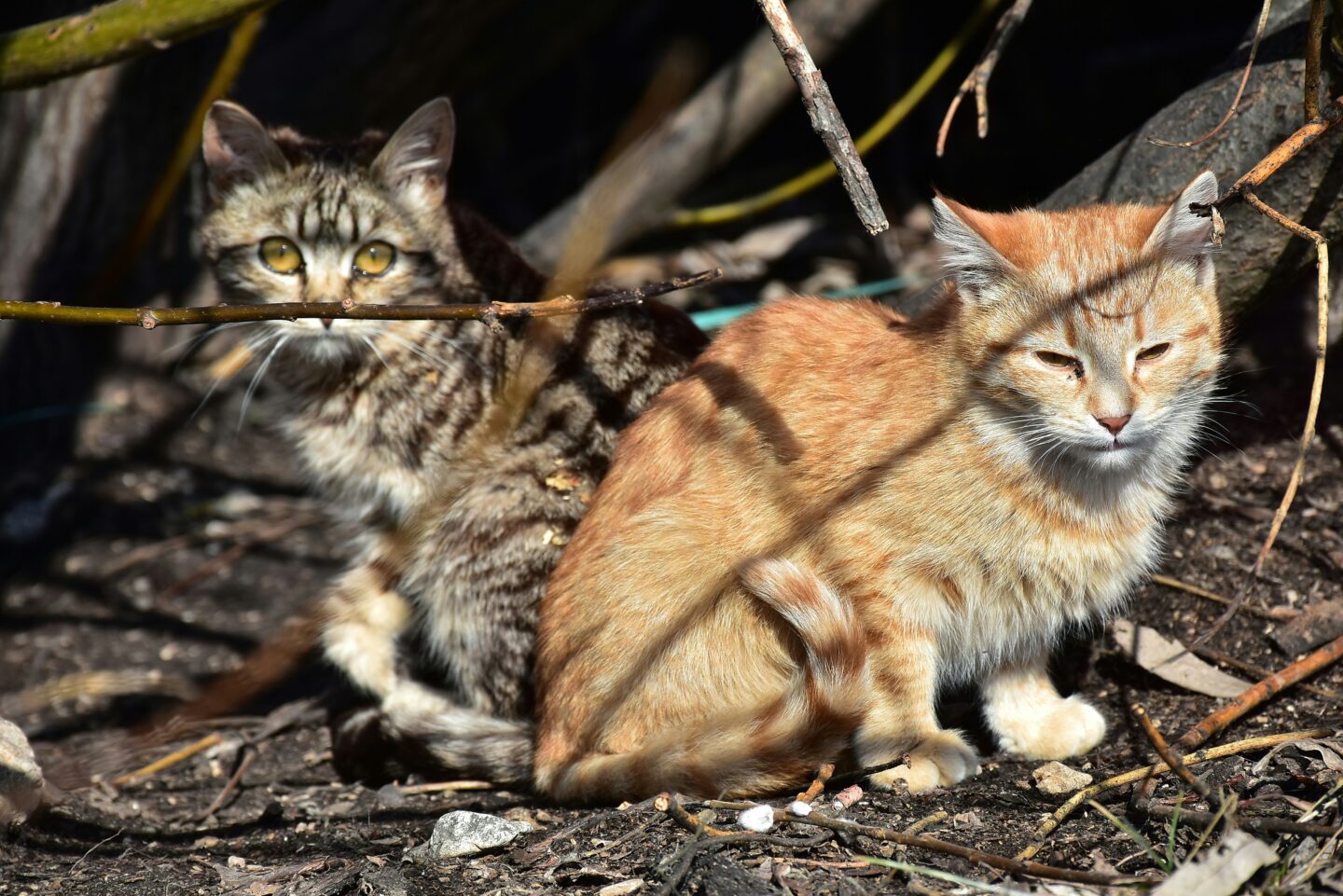
Community cats (also known as stray or outdoor cats) are part of our neighborhoods. While they may cause some challenges, there are effective, humane ways to address these concerns.
Concern: The cats are fighting, yowling, or spraying.
Spaying and neutering cats drastically reduces these behaviors, like mating yowls, spraying, and fighting. Once spayed or neutered, the cats return to their territory, calm and less disruptive. These altered cats also defend the area from new, unaltered cats moving in.
Concern: The cats are digging in my garden, walking on my car, or bothering my pets.
Cats are drawn to places with food, shelter, or access. Try these tips:
- Gardens: Cover soil with chicken wire, lattice fencing, or river rocks. Use mats with harmless plastic spikes (e.g., Cat Scat) to discourage digging.
- Motion Deterrents: Install motion-activated water sprinklers (e.g., ScareCrow) or ultrasonic repellents to keep cats out of certain areas.
- Cars: Use a car cover to prevent paw prints and scratches.
- Trash and Food Sources: Secure trash cans with tight lids or bungee cords. Avoid leaving food outdoors. Feed cats on a schedule, and clean up immediately.
Pro Tip: Create a small outdoor “litter box” (a wooden frame filled with sand or peat moss) in a discreet area to give cats an alternative spot.
Concern: The cats are sick.
Spay/neuter programs often include vaccinations to prevent diseases. If you notice a sick or injured cat, contact us at (828) 250-6430 and we can help connect you to resources for treatment.
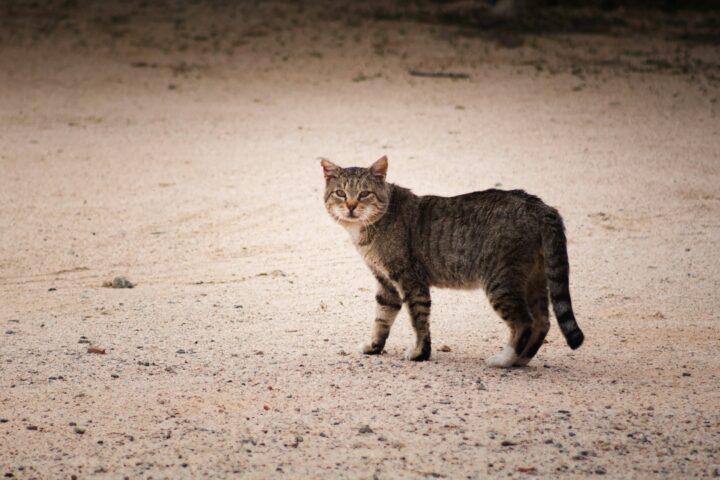
Concern: I don’t like cats and want them gone.
Removing cats doesn’t work. Studies show that when cats are removed, new cats move in, and the cycle continues. Trap-Neuter-Return (TNR) is the only proven method to reduce the number of cats and their nuisance behaviors over time.
Concern: Why can’t all the cats go to shelters or be adopted?
There are far more stray cats than shelters or homes available. Removing them just leaves space for new cats to move in. TNR prevents this by stabilizing the population and reducing it gradually.
Concern: Cats are killing wildlife.
While some cats hunt, the biggest threat to wildlife is human activity, like habitat destruction. TNR helps reduce outdoor cat populations over time, which benefits wildlife. To keep cats away from bird feeders, consider:
- Motion-activated deterrents.
- Predator-proof bird feeders designed to keep squirrels and other animals out.
Concern: My neighbor is feeding the cats, and it’s attracting wildlife.
Feeding community cats responsibly helps control their behavior:
- Feed at the same time daily, and remove leftover food promptly.
- Feed away from public areas to avoid drawing attention to the cats.
- Ensure feeding areas are cleaned daily to prevent attracting wildlife.
If the feeding is disruptive, let us know; we can help educate the caregiver on best practices.
How You Can Help
- Support TNR Programs: Trap-Neuter-Return reduces cat populations humanely.
- Use Humane Deterrents: Simple tools like sprays, sprinklers, and barriers can protect your space.
- Provide Resources: Shelters and safe spaces keep cats out of unwanted areas.
Together, we can create a community where people and cats coexist peacefully.
Questions or still need help? Contact the Buncombe County Animal Shelter at (828) 250-6430. We’re here to assist with TNR, deterrent advice, and other resources.