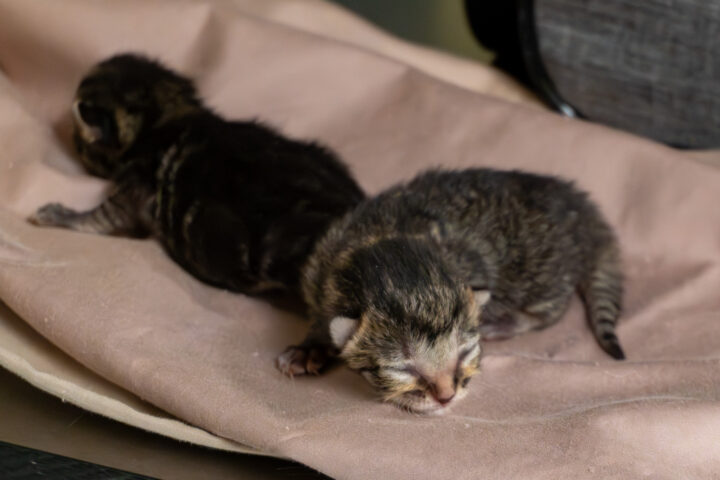
 Every kitten season, Asheville Humane Society gets a LOT of calls that start with, “Hi…I found a kitten and gave it milk.”
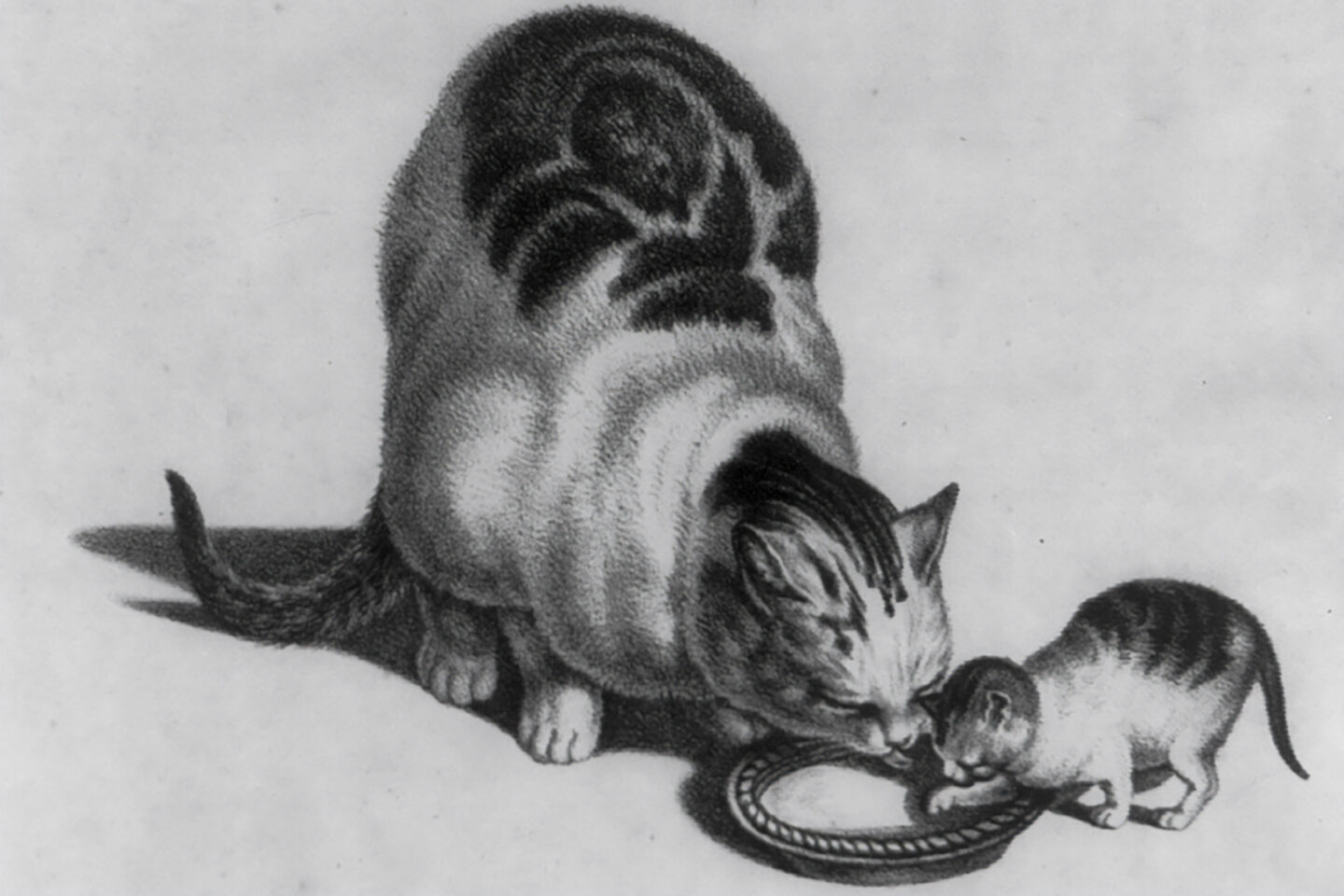
Unfortunately, cartoons have lied to generations of people by convincing us cats should drink little saucers of cow’s milk. In reality, kitten GI systems are incredibly sensitive. Feeding them dairy is one of the fastest ways to end up with diarrhea, dehydration, upset stomachs, and a very sick kitten.
During kitten season, we spend a lot of time helping people figure out what kittens actually need to eat at different ages and stages. The good news is that once you know the basics, feeding kittens is usually straightforward!
First things first: Never feed a cold kitten
Before we even talk about food, there’s one incredibly important rule:
If a kitten feels cold, weak, lethargic, or unresponsive, do NOT try to feed them.
Kittens cannot properly digest food when their body temperature is too low, and feeding a cold kitten can make them much sicker.
A cold kitten needs emergency help, but while you’re seeking assistance, focus on warming them up using:
- A heating pad on LOW
- A SnuggleSafe disc
- Warm rice socks
- Warm towels or blankets
What to feed kittens by age
(Check out this resource from Kitten Lady to help estimate age)
0–4 weeks: Formula only
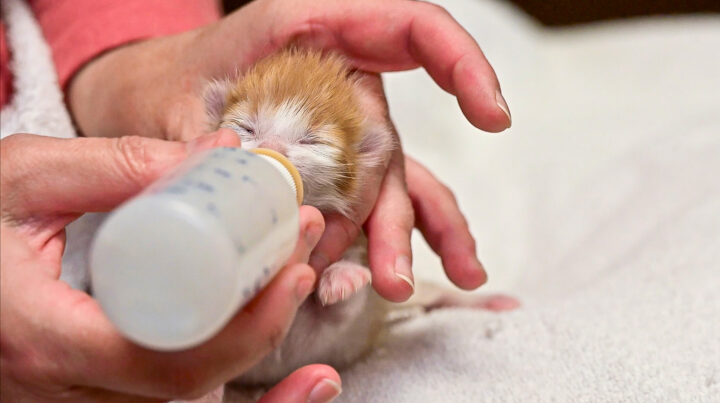 Young kittens usually need to eat every few hours depending on age, including overnight. They also need help going to the bathroom after meals because their mom would normally stimulate them.
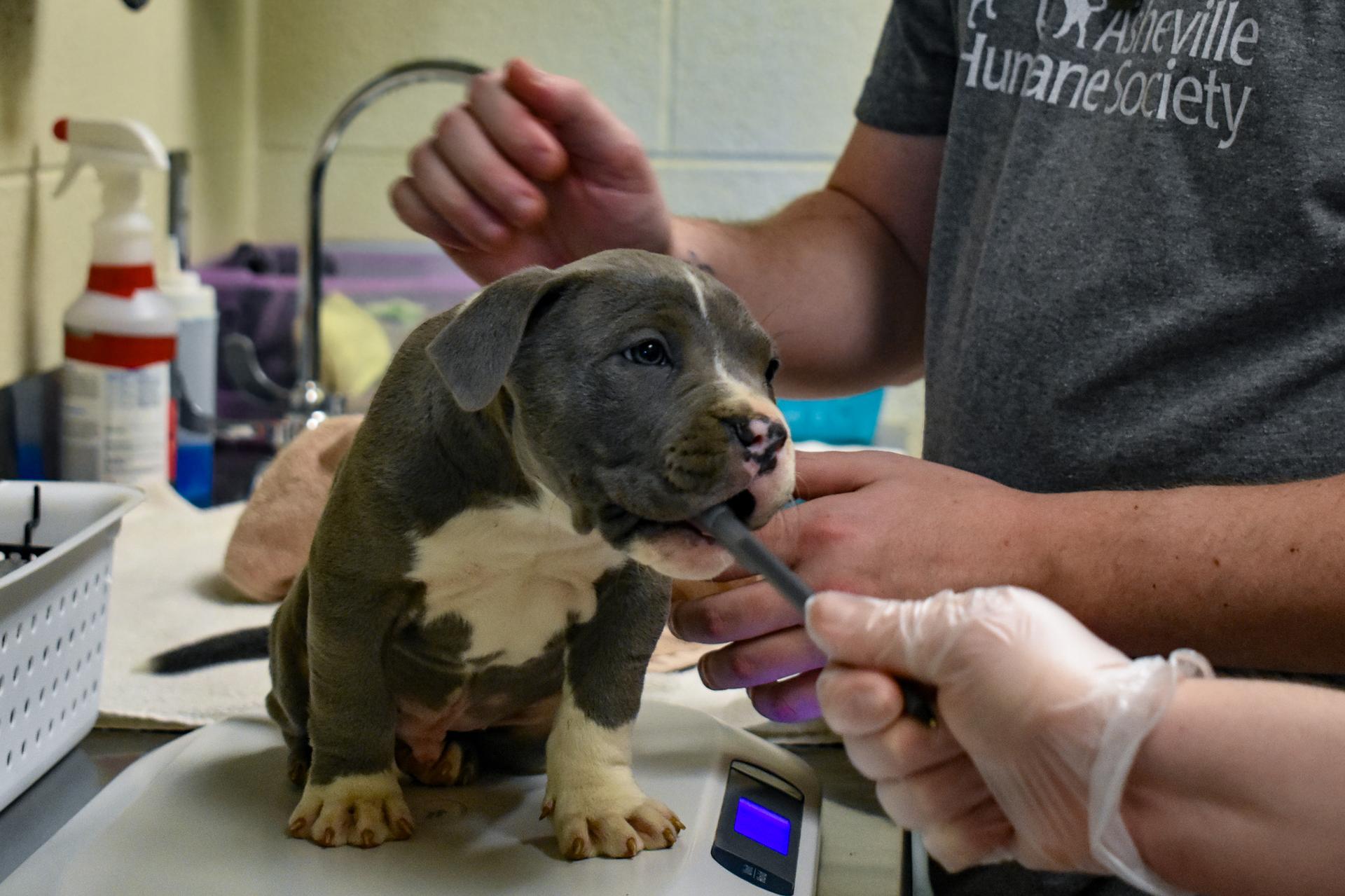
Kittens this young need kitten-specific milk replacer. KMR is a popular brand; we personally like Shelter’s Choice or Breeder’s Edge. Most pet stores (and even Walmart) have kitten formula!
What not to feed nursing kittens includes:
- Cow’s milk
- Almond milk, oat milk, goat milk, or other milk alternatives
- Baby formula
- Adult cat Food
- Catsip or “Cat Milk” (this is a treat intended for adult cats)
- Unverified homemade concoctions
4–6 weeks: Gruel stage
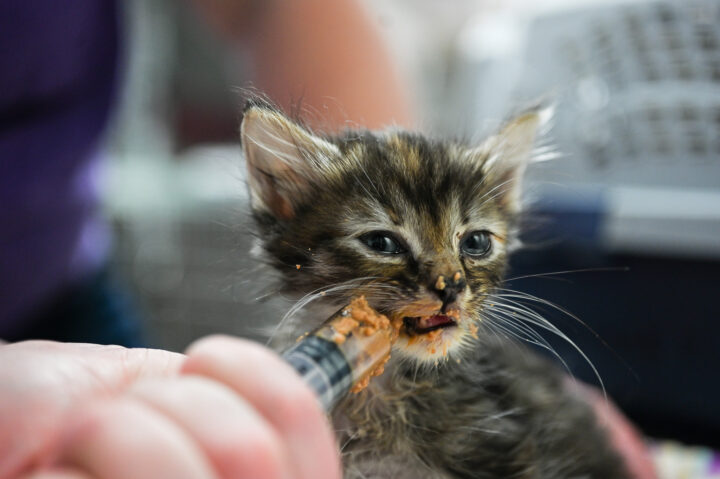 This is the wonderfully messy stage where kittens start transitioning to solid food.
A good option is canned kitten food (we strongly recommend poultry or beef flavors; fishy foods are one of the fastest ways to end up with the dreaded kitten diarrhea) mixed with formula or warm water into a gruel/slurry.
At first, kittens are honestly…kinda terrible at eating. They will walk through it, sit in it, somehow get it in their ears, and scream dramatically about the entire experience. This is normal. It’s important to keep them clean after meals by wiping them down or even bathing them if needed. If you bathe young kittens, make sure they are dried completely afterward with a towel and low-heat blow dryer so they do not get cold.
Over time, they’ll get better and start eating canned food consistently on their own without any formula mixed in. When they are about 5 weeks old you can start to introduce dry food!
At this age you can offer a water bowl while you’re monitoring, but since kittens aren’t as coordinated, we recommend you supervise so they don’t try to go for an accidental swim!
6–8+ weeks: Wet and dry kitten food
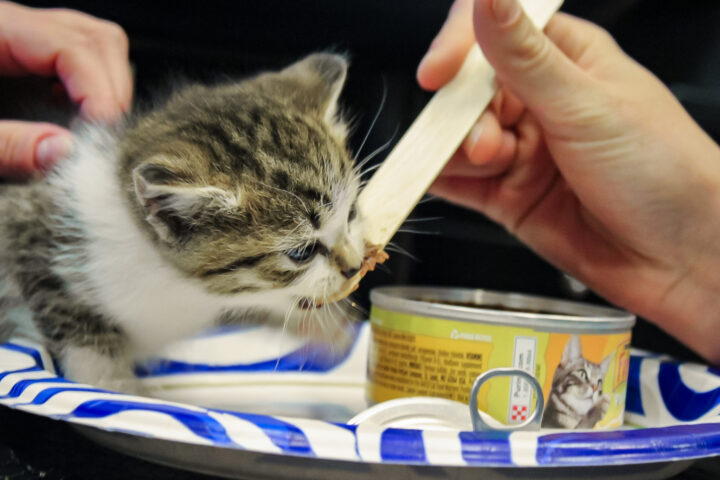 Older kittens can usually eat both canned and dry kitten food.
We generally recommend:
- Free feeding dry kitten food
- Offering canned kitten food multiple times daily
- Always providing fresh water
Kittens grow incredibly fast and need a LOT of calories, protein, and nutrients. At this age, formula or mom’s milk will NOT provide everything a kitten needs, so it’s important that you follow a weaning process and weigh every day to catch any issues fast!
What NOT to feed kittens who have transitioned to solid food:
- Cow’s milk or dairy products
- Dog food as a regular diet
- Raw diets
- Fish-heavy cat foods
- Tuna or sardines
Some common foods people try to give kittens can actually be dangerous. And honestly? Even with “safe” human foods adult cats could technically eat, it is usually best to stick with actual kitten food whenever possible.
The most important thing? Ask questions.
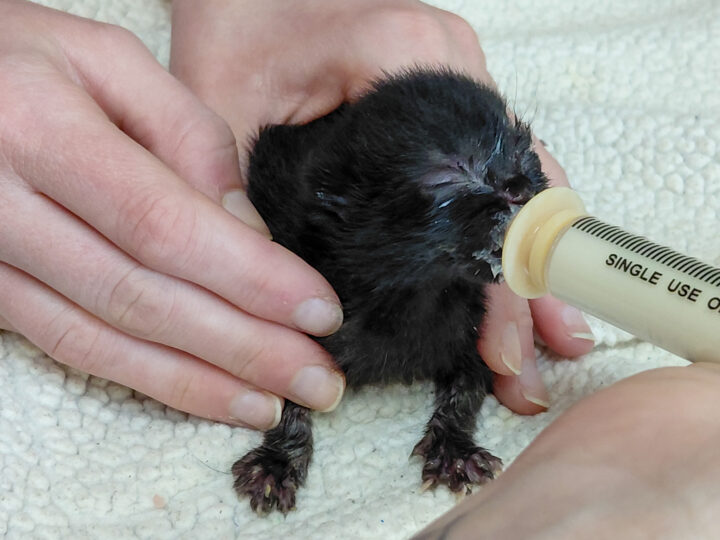 Kitten care can feel overwhelming at first, especially with very young kittens, but you do not have to figure it all out alone. Every kitten season, fosters and finders learn these skills for the first time and go on to save lives.
Luckily, Asheville Humane Society has some amazing kitten experts who are here to help every step of the way!
If you’re interested in fostering kittens this season, we would LOVE your help. We provide supplies, medical care, training, and support—no prior experience required.
And if fostering is not the right fit for you right now, we would still love your support! Sending supplies from our kitten wishlist helps us care for the hundreds of kittens who come through our doors every kitten season.