
You’ve just brought home a new puppy or kitten, and you want them to grow into a happy, confident, and well-adjusted companion. Or perhaps you’ve adopted an older pet who isn’t exactly what you would call “outgoing.” Regardless of your pet’s age, socialization plays a vital role in helping them feel safe and comfortable in the world around them.
Here’s how to help your dog, cat, puppy, or kitten develop the confidence they need to thrive.
When to socialize a puppy or kitten
Vocabulary
- Human and environment imprinting period: Critical bonding and adjustment window; a pet’s highly adaptable brain rapidly accepts new experiences.
- Fear period: Sensitive phase where negative events easily create lasting fears.
- Primary socialization period: Key window for forming core attachments to environment, animals, and humans.
- Active play period: High-energy phase for refining motor skills via hunting actions (pouncing, stalking, ambushing).
Socialization means exposing your pet to a variety of people, places, animals, sounds, and experiences in a positive, controlled way. The goal is not simply exposure but helping your pet form positive associations with new experiences.
Dogs have several important developmental periods. Human and environmental imprinting occurs between 7 and 16 weeks of age. Fear periods typically occur between 8 and 10 weeks and again between 6 and 14 months. Cats experience their primary socialization period between 4 and 7 weeks, followed by an active play period from 7 to 14 weeks.
Whenever possible, begin socializing puppies and kittens early to help them develop into confident, well-adjusted adults. If your pet is already an adult, don’t worry. While it may take more patience and time, adult pets can still build confidence through positive experiences.
People, places, and things
Introducing new people
 One of the most important aspects of socialization is helping your pet feel comfortable around people. Introduce them to individuals of different ages, genders, sizes, and cultural backgrounds, as well as people wearing hats, coats, or backpacks, carrying umbrellas, sporting beards, or using mobility aids.
Take things slowly and let your pet set the pace. Avoid having people approach your pet directly. Instead, use treats to create positive associations. First, ask visitors not to pet your pet or lean over them. As your pet becomes more comfortable, allow them to choose whether they want to approach and interact. Confidence grows when your pet feels in control of the interaction.
Introducing new places
 Take things one step at a time. When you first bring your pet home, provide a quiet, safe space where they can relax without being disturbed. A crate, bed, gated area, or separate room can all serve as a secure retreat.
Once your pet feels comfortable in your home, gradually begin introducing them to new environments. Start with a walk in a quiet neighborhood or a visit to a friend’s home where your pet can explore without feeling overwhelmed. Small, positive experiences help build confidence and prepare your pet for more challenging adventures later.
Introducing new things
 Expose your pet to a variety of everyday sights, sounds, and objects, but avoid overwhelming them. Too much stimulation at once—such as a crowded fair or busy festival—can have the opposite effect and create fear instead of confidence.
Begin at home by playing music, turning on the television, using the vacuum cleaner, or introducing other common household items. If your pet shows signs of fear, slow down and make the experience easier by turning down the volume. Let them progress at their own pace.
Introducing other animals
 Choose calm, friendly animals that you know are comfortable around dogs or cats, so your pet experiences remain positive. Remember that many adult animals are not especially tolerant of typical puppy or kitten behavior.
When introducing two dogs, keep both on leash and meet in a neutral location. Allow only brief greetings, then call them away and reward each dog with treats for calm behavior.
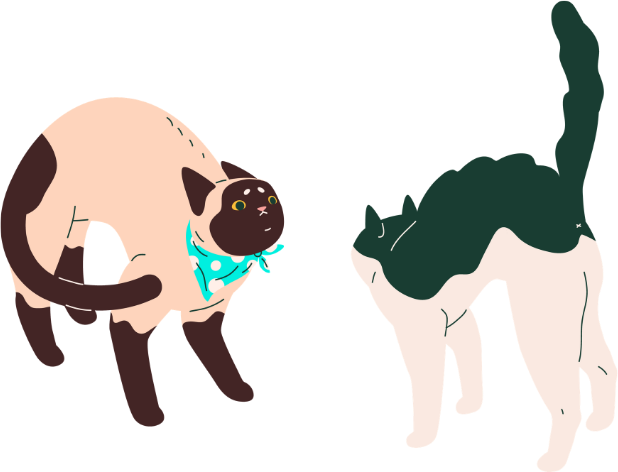
When introducing cats, begin with the cats on opposite sides of a closed door so they can become familiar with each other’s scent. Gradually crack the door open for short periods. If either cat shows signs of fear or aggression, calmly close the door and try again another day. Reward calm, relaxed behavior with treats throughout the process.
The benefits of socialization
A well-socialized pet is more likely to be confident, resilient, and able to cope with new situations. They are better able to self-soothe, regulate their emotions, and interact appropriately with people and other animals without responding with fear or aggression.
Socialization is not a race—it is a lifelong process. With patience, consistency, and plenty of positive experiences, you can help your pet develop into a happy, well-adjusted companion.