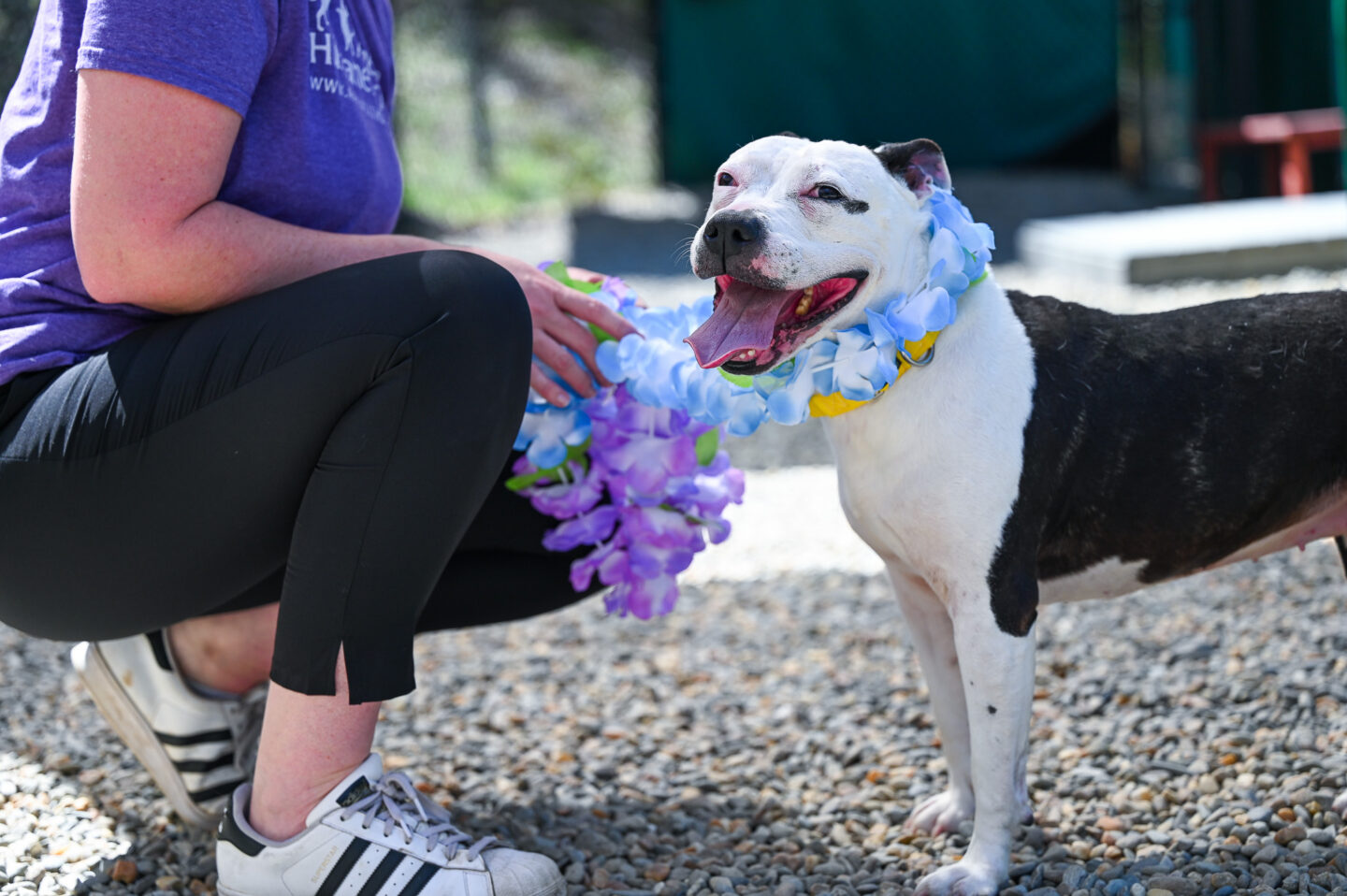
 Warm weather can be enjoyable for all of us, but it can also pose serious risks for our pets. With a few simple precautions, you can help keep your furry companions safe, comfortable, and happy all summer long.
Recognizing Heatstroke
Heatstroke is a medical emergency. Watch for signs such as excessive panting, drooling, rapid heartbeat, confusion, vomiting, diarrhea, glassy eyes, weakness, or lethargy. If you notice any of these symptoms, move your pet to a cool, shaded area.
Use cool—not ice-cold—water to gently wet your pet, focusing on the stomach, paw pads, armpits, and chest. Avoid spraying their back, as this can trap heat closer to the body. Continue cooling while arranging immediate veterinary care.
Critical Considerations
- Never leave pets in a parked car. Even on a mild day, temperatures inside a vehicle can rise dangerously high within minutes. Leaving a pet in a parked car, even briefly, can quickly become life-threatening.
- Exercise safely. Plan walks, playtime, and outdoor activities during the cooler parts of the day, such as early morning or late evening. Before heading out, place your hand on the pavement for several seconds—if it’s too hot for your hand, it’s too hot for your pet’s paws.
 Daily Basics
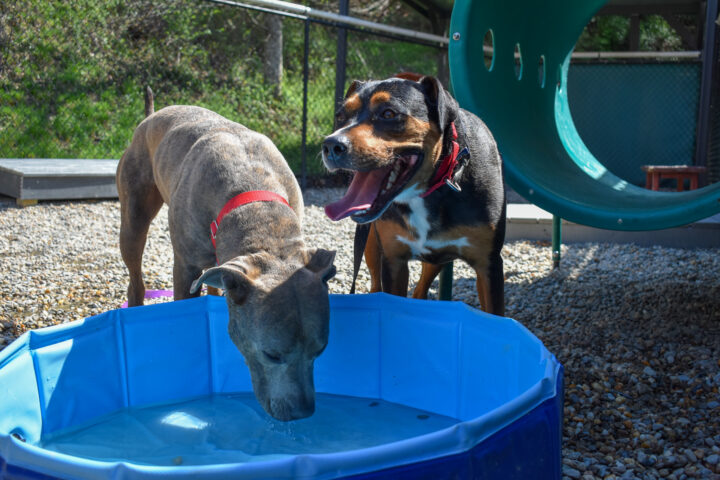
- Provide shade and fresh water. Always ensure your pet has access to shaded, well-ventilated areas and plenty of fresh, cool water. Keep in mind that shade shifts throughout the day, so check that your pet remains protected as the sun moves.
- Protect against sun and insects. Only use sunscreen and insect repellents that are specifically formulated for pets. Human products can be harmful or even toxic.
Wellness and Maintenance
- Schedule a veterinary check-up. An early-summer wellness visit is a great way to ensure your pet is ready for the season. If your pet is not on year-round heartworm prevention, talk to your veterinarian about testing and preventative options.
- Maintain proper grooming. Regular brushing helps remove excess fur and keeps coats healthy, but avoid shaving your pet. Their coat provides important insulation against both heat and sunburn. Cats, in particular, may benefit from more frequent brushing during warmer months.
 Comfort and Environment
- Use cooling products. Pet-safe cooling mats, cooling bandanas, and fans can provide extra relief on especially hot days.
- Watch your garden. Summer often means more time outdoors, and pets may encounter a variety of plants. Familiarize yourself with the plants in your yard and garden, as some can be toxic if ingested. Even non-toxic plants may cause stomach upset, so supervise your pets when they are outside.
With a little planning and attention, you and your pets can enjoy a safe, healthy, and fun-filled summer together.